
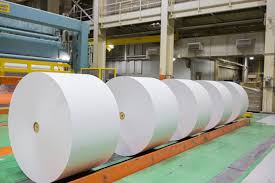
Used paper is a valuable resource in today’s sustainability-focused economy. From newspapers and office paper to cardboard and packaging, paper products form a significant portion of industrial and consumer waste. Selling and Buying Used Paper supports the recovery of fibers, allowing businesses to reprocess materials into new products. This process not only reduces environmental impact but also promotes a circular production model where resources are reused efficiently, conserving energy and reducing the need for virgin fiber.
The Importance of Used Paper Recycling
Recycling used paper has far-reaching environmental and economic benefits. Paper production from virgin fiber requires large amounts of water, energy, and raw materials, contributing to deforestation and greenhouse gas emissions. By recovering fibers from used paper, industries can reduce reliance on new resources, minimize waste, and lower production costs. Recycled paper retains much of the quality needed for industrial applications, enabling manufacturers to produce packaging, office supplies, tissue products, and more. The practice also supports the global circular economy by keeping materials in use for longer periods.
Collection and Sorting of Used Paper
Effective collection and sorting are critical to the success of used paper recycling. Paper waste must be segregated by type and quality, including newsprint, office paper, cardboard, and mixed paper streams. Contaminants such as plastics, metals, and adhesives must be removed to ensure high-quality fiber recovery. Advanced sorting techniques, combined with manual inspection, help maintain the purity of recycled streams. Properly sorted paper improves the efficiency of reprocessing, reduces waste, and ensures that the resulting material meets the standards required for new paper products.
Processing and Fiber Recovery
Once collected and sorted, used paper undergoes processing to recover fibers. The material is shredded, pulped, and cleaned to remove inks, adhesives, and contaminants. This process produces high-quality recycled pulp that can be used to manufacture a wide variety of products. Depending on the intended application, fibers can be blended with virgin pulp to maintain strength and quality. Advanced processing technologies ensure that recycled fibers are suitable for producing office paper, packaging materials, cardboard boxes, and specialty paper products. By recovering fibers efficiently, industries reduce the need for virgin resources while maintaining product performance.
Applications of Recycled Paper
Recycled paper finds applications across multiple industries. In packaging, recycled cardboard and paperboard are used for shipping boxes, cartons, and protective packaging materials. Office supplies such as notebooks, printing paper, and envelopes often contain high percentages of recycled fiber. Tissue products, including toilet paper and paper towels, also utilize recycled fibers in their production. Industrial applications extend to specialty papers and insulation materials. The versatility of recycled paper makes it an essential material for sustainable production across numerous sectors.
Economic and Environmental Benefits
Selling and buying used paper offers both economic and environmental advantages. Economically, recycled paper reduces material costs, supports local recycling industries, and creates opportunities for business growth. Environmentally, it conserves trees, reduces landfill usage, lowers energy consumption, and decreases greenhouse gas emissions associated with virgin paper production. The combination of cost savings and environmental impact mitigation makes used paper a key resource for businesses pursuing sustainable practices.
Challenges and Opportunities
Challenges in used paper recycling include contamination, inconsistent supply, and varying fiber quality. Implementing proper collection systems, quality verification, and reliable trading networks addresses these issues. Opportunities arise from growing demand for sustainable materials, regulatory support for recycling, and increasing awareness among consumers and businesses. Companies that actively participate in buying and selling used paper can strengthen their supply chains, reduce costs, and contribute to global sustainability efforts.
Conclusion
Selling and buying used paper supports sustainable fiber recovery and fosters circular production practices. Through effective collection, sorting, and processing, high-quality recycled fibers can be integrated into new paper products, reducing reliance on virgin materials and minimizing environmental impact. This practice benefits both businesses and the planet, enabling cost savings, resource efficiency, and responsible production. By leveraging used paper as a valuable material, industries can promote circular economy principles while maintaining product quality and supporting sustainable growth.