
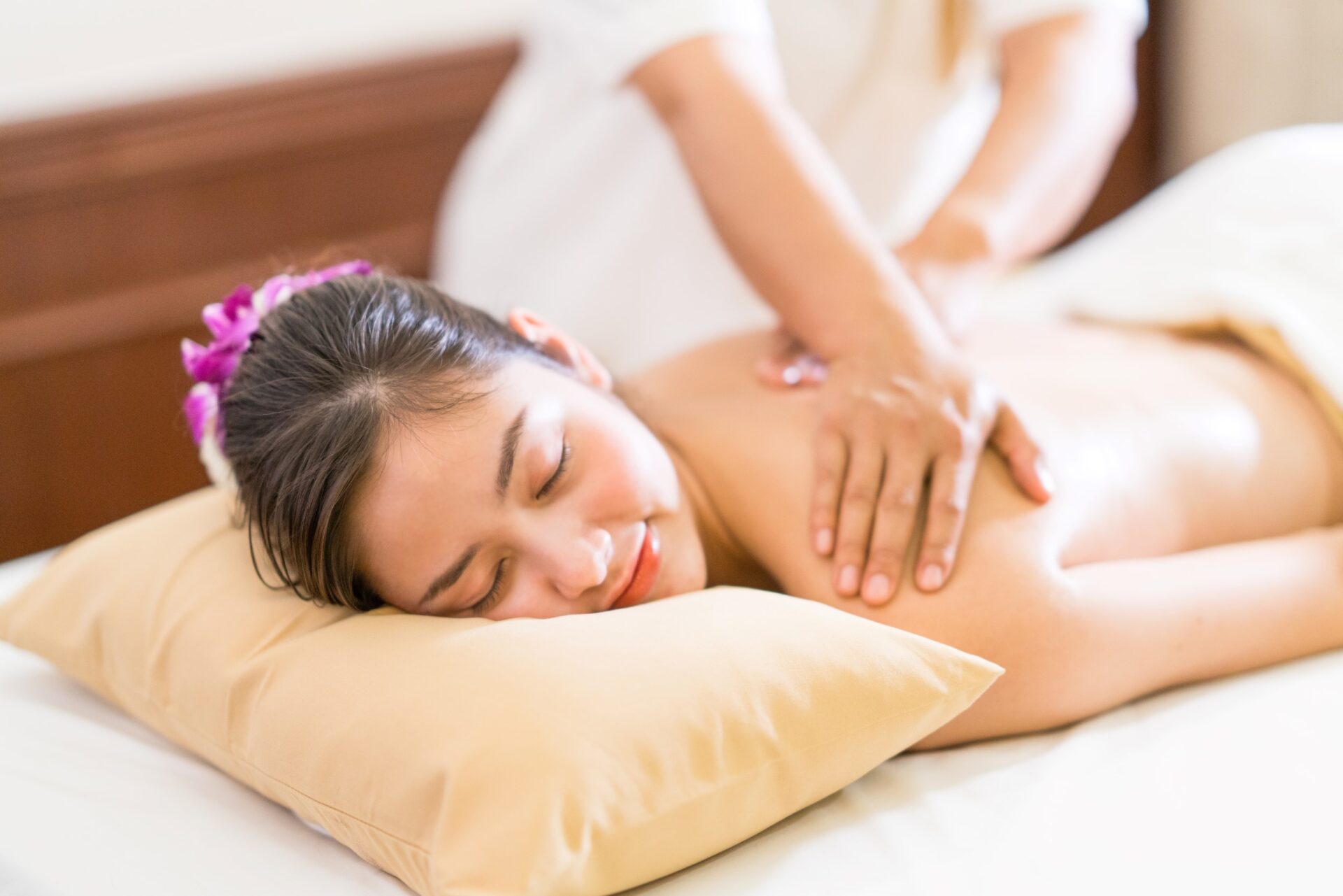
Swedish massage is globally recognized as a technique that promotes overall well-being through gentle movements designed to relax and restore the body and mind. By focusing on rhythmic strokes and light pressures, Swedish (스웨디시) massage has evolved into much more than a wellness trend. It’s a centuries-old practice that continuously proves its efficacy in helping individuals manage stress and achieve tranquility.
Gentle movements in Swedish massage are not only soothing but also highly efficient, catering to people of all walks of life, from professionals to athletes. For a 1-person shop massage practice, mastering these movements can elevate the quality of service provided and create a lasting impact on clientele. This article will explore the primary benefits of gentle movements in Swedish massage and why incorporating them into your routine is increasingly trending among professionals.
Encourages Stress Relief Through Rhythmic Strokes
A central purpose of Swedish massage is stress relief, and the gentle, gliding strokes of the technique, often called effleurage, are pivotal in achieving that. These movements are applied in long, flowing motions and have been shown to reduce cortisol levels in the body. Stress relief has become more critical than ever, with over 77 percent of people reporting they experience stress that impacts their physical or mental health regularly.
Swedish massage provides a natural solution to counteract this. Ganma, or the experience of deeply calming the nervous system, is a term exercisable within many similar modalities. Through rhythmic strokes, the body’s parasympathetic nervous system is activated, prompting relaxation. These effects are certainly appealing for individuals juggling busy schedules, such as work-from-home professionals or business owners.
Enhances Circulation and Oxygen Flow
Gentle massage movements significantly improve blood flow and oxygen levels in tissues, ensuring that essential nutrients effectively reach muscles and organs. Studies indicate that techniques like Swedish massage enhance circulation by dilating blood vessels and assisting venous flow back to the heart. This improvement is essential for maintaining the efficiency of biological processes and reducing instances of muscle fatigue.
Improved circulation directly correlates with overall energy levels. When oxygen flows effortlessly, feelings of lethargy diminish, leaving individuals feeling more vibrant post-massage. This benefit adds immeasurable value for individuals with high-exertion jobs or active lifestyles who require sustainable energy levels to perform at their best.
Eases Muscle Tension and Pain Relief Without Deep Pressure
One of the highlights of Swedish massage is the ability to address muscle strain without the need for deep, intense pressure, making it particularly suitable for sensitive individuals. Gentle kneading and circular motions soothe sore muscles and release tension points with care.
The methodical application of movements offers a safe and welcoming way to support recovery from physical exertions, such as long hours seated at a desk or engaging in high-intensity workouts. It creates an accessible and therapeutic session for all massage clients, especially those seeking relief from day-to-day aches without resorting to harsher forms of massage therapy.
Promotes Mental Clarity Through Calm Touch
The intentionality of gentle movements in Swedish massage extends beyond physical benefits; it also creates space for mental clarity. Massage stimulates the production of endorphins, often referred to as “feel-good” hormones. The carefully orchestrated strokes offer a meditative rhythm that guides clients into a more relaxed state.
Massage’s connection to mental clarity is evident in its ability to reduce symptoms of anxiety or depression. Research underscores how regular sessions keep clients more emotionally balanced, providing tools beyond the massage table to handle daily challenges calmly and effectively.