
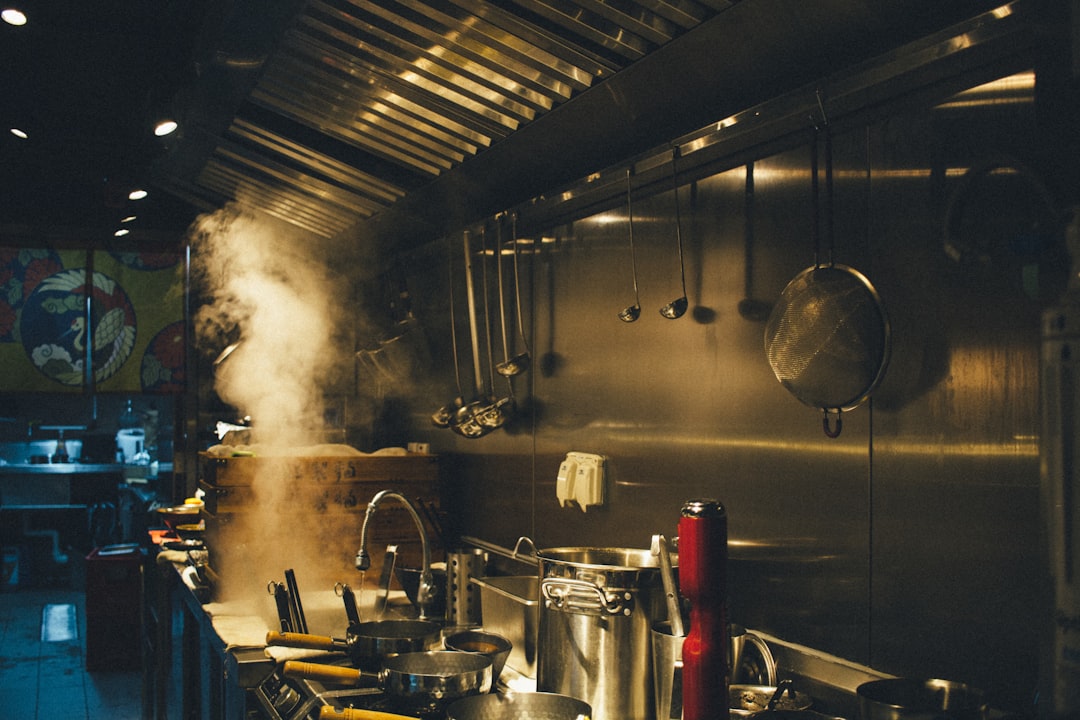
A successful commercial kitchen requires dependable equipment that can support daily operations, improve efficiency, and maintain consistent food preparation standards. Restaurants, hotels, catering facilities, cafeterias, and other food service businesses rely on professional tools and appliances to handle demanding workloads. A trusted Kitchen Equipment Sales service provides access to commercial kitchen equipment solutions that help businesses create organized, productive, and reliable work environments.
Commercial kitchens operate at a fast pace and require equipment that can perform under constant use. From cooking and preparation to storage and sanitation, every part of the kitchen depends on properly selected equipment. The right solutions help employees complete tasks efficiently while supporting quality food service.
Investing in reliable kitchen equipment is an important step for businesses looking to improve operations, maintain performance, and support long-term growth.
Why Is Commercial Kitchen Equipment Important?
Commercial kitchens have different requirements compared to standard cooking spaces. They need equipment designed for frequent use, larger food production, and professional operations.
Reliable equipment helps reduce operational challenges and allows employees to complete tasks more effectively. When kitchen tools and appliances perform properly, businesses can maintain smoother workflows and provide consistent service.
Poor equipment choices can lead to delays, increased maintenance needs, and reduced productivity. Choosing professional-grade solutions helps businesses avoid these challenges and create more efficient kitchens.
Quality equipment also supports better organization. When appliances, preparation tools, and storage systems are arranged properly, employees can work more comfortably and safely.
What Types of Commercial Kitchen Equipment Are Available?
Commercial kitchens require different categories of equipment to support various activities. Each type contributes to the overall success of food service operations.
Cooking equipment is one of the most important categories. Ovens, grills, fryers, ranges, and other cooking appliances help prepare meals efficiently while maintaining consistent results.
Refrigeration equipment plays a major role in food storage. Refrigerators, freezers, and cooling systems help protect ingredients and maintain proper storage conditions.
Food preparation equipment improves speed and accuracy. Mixers, slicers, processors, and other preparation tools help employees complete tasks with greater efficiency.
Storage equipment helps maintain organization within the kitchen. Shelving systems, cabinets, and storage solutions improve accessibility and create cleaner workspaces.
Sanitation equipment supports better hygiene practices and helps businesses maintain professional kitchen standards.
How Can Businesses Choose the Right Kitchen Equipment?
Selecting the right equipment requires careful planning and understanding of business needs. Every food service operation has different requirements based on menu, workload, and available space.
The kitchen layout should be considered before purchasing equipment. Proper placement allows employees to move efficiently and reduces unnecessary workflow problems.
Capacity is another important factor. Equipment should be able to handle the expected volume of food preparation without creating performance issues.
Durability should also be a priority. Commercial kitchens need equipment that can withstand daily use and demanding conditions.
Energy efficiency may also influence equipment decisions. Efficient appliances can help businesses manage operating expenses while maintaining strong performance.
Making informed choices ensures that equipment provides value and supports daily operations.
What Are the Benefits of Working With a Trusted Equipment Supplier?
A trusted commercial kitchen equipment supplier helps businesses access reliable solutions that match their operational requirements.
One major benefit is better equipment selection. Professional guidance helps businesses choose products that fit their kitchen needs and workload.
Quality equipment improves efficiency by allowing employees to complete tasks faster and more effectively.
Reliable equipment also supports consistency. Properly designed appliances help maintain stable cooking, preparation, and storage processes.
Another advantage is long-term value. Durable equipment reduces the need for frequent replacements and helps businesses manage future expenses.
A dependable supplier focuses on providing solutions that support successful kitchen operations.
How Does Quality Equipment Improve Kitchen Productivity?
Kitchen productivity depends on having equipment that supports daily tasks. Reliable appliances reduce delays and help employees manage busy schedules.
Efficient cooking equipment allows kitchens to prepare food faster while maintaining quality. Preparation tools reduce manual work and improve accuracy.
Proper refrigeration systems help organize ingredients and support better inventory management.
When employees have access to the right equipment, they can focus on providing better service and maintaining high standards.
A productive kitchen creates smoother operations and helps businesses handle customer demand more effectively.
Why Is Equipment Selection Different for Every Business?
Each food service business has unique requirements. A restaurant, bakery, hotel kitchen, or catering facility may need different equipment based on its operations.
Restaurants often require equipment that supports cooking, preparation, and fast service. Catering businesses may need flexible solutions that support different events and food production levels.
Hotels and large facilities often require equipment capable of handling significant workloads.
Understanding specific business needs helps ensure that equipment choices provide maximum benefits.
A customized equipment approach creates a more efficient and functional kitchen environment.
How Should Commercial Kitchen Equipment Be Maintained?
Proper maintenance is essential for keeping equipment reliable and extending its useful life.
Regular cleaning helps remove grease, food residue, and buildup that can affect performance. Employees should follow recommended care practices to protect equipment.
Routine inspections help identify potential problems before they become serious issues.
Proper maintenance also improves safety and reduces unexpected interruptions during operations.
Well-maintained equipment performs better and provides more dependable service over time.
What Should Businesses Know Before Purchasing Equipment?
Before purchasing commercial kitchen equipment, businesses should evaluate their current operations and future plans.
The available kitchen space should be measured carefully to ensure proper placement. Equipment should fit comfortably while allowing employees to move safely.
Businesses should consider quality, performance, durability, and maintenance requirements before making decisions.
Choosing equipment based only on price may create challenges in the future. Reliable solutions often provide better value through improved performance and longer service life.
Careful planning helps businesses make stronger investments.
How Does Commercial Equipment Support Food Safety?
Food safety depends on proper preparation, storage, and handling procedures. Commercial kitchen equipment plays an important role in maintaining safe conditions.
Reliable refrigeration helps preserve ingredients and maintain proper storage environments. Cooking equipment supports consistent food preparation.
Organized equipment placement also improves cleanliness and reduces unnecessary movement within the kitchen.
Quality equipment contributes to a safer and more controlled food service environment.
Which Businesses Need Professional Kitchen Equipment Solutions?
Many industries rely on commercial kitchen equipment. Restaurants, hotels, bakeries, cafeterias, catering services, and institutional kitchens all require dependable solutions.
Large operations need equipment that can handle high production levels and frequent use.
Smaller businesses also benefit from professional equipment because it improves efficiency and supports better organization.
Any business involved in food preparation can improve operations by selecting suitable commercial equipment.
How Can Equipment Support Business Growth?
As food businesses expand, their equipment requirements often change. Upgrading kitchen equipment helps businesses manage increased demand and improve productivity.
Modern equipment supports faster operations and allows businesses to maintain quality standards as they grow.
A well-equipped kitchen provides flexibility and helps businesses adapt to changing customer needs.
Investing in reliable solutions creates opportunities for long-term success.
Why Choose Trusted Commercial Kitchen Equipment Solutions?
Commercial kitchen equipment is a major investment that influences daily performance. Choosing reliable solutions helps businesses maintain efficient operations and improve productivity.
Professional equipment offers durability, convenience, and better functionality for demanding kitchen environments.
A properly equipped kitchen allows employees to work more effectively and maintain consistent service standards.
Trusted equipment solutions help businesses build organized and successful food service operations.
Can Better Equipment Improve Kitchen Performance?
The quality of kitchen equipment directly affects workflow and productivity. Reliable appliances reduce interruptions and support smoother daily activities.
Better equipment improves organization, increases efficiency, and creates a more comfortable working environment.
A properly equipped kitchen allows businesses to focus on preparing quality food and delivering better service.
What Makes Commercial Kitchen Equipment a Smart Investment?
Commercial kitchen equipment provides long-term benefits by improving efficiency, supporting productivity, and reducing operational challenges.
Durable equipment helps businesses avoid frequent replacements and maintain reliable performance.
Selecting the right solutions creates a strong foundation for successful kitchen management.
Quality equipment supports present needs while preparing businesses for future growth.
Conclusion
Commercial kitchens depend on reliable equipment to maintain efficient operations, consistent quality, and professional standards. Choosing the right equipment helps businesses improve workflow, protect their investment, and create productive kitchen environments.
Kitchen Equipment Sales provide access to trusted commercial kitchen equipment solutions designed for restaurants, food service businesses, and professional kitchens. With proper equipment selection and reliable products, businesses can enhance efficiency, maintain better operations, and achieve long-term success.